What to know about Newham Council rules on flower displays
Posted on 06/11/2026
If you're planning a shopfront display, a memorial tribute, a wedding arrangement, or even a tidy row of planters outside a business in east London, What to know about Newham Council rules on flower displays is worth understanding before you put anything on the pavement, wall, or doorstep. A beautiful display can make a place feel cared for in seconds. But if it spills into the wrong space, blocks access, or ignores local expectations, it can quickly turn into a complaint, a removal notice, or an awkward conversation you really didn't need.
Truth be told, most people aren't trying to cause a problem. They just want the flowers to look right. The tricky bit is that flower displays sit at the crossroads of appearance, public safety, access, and property boundaries. This guide breaks that down in plain English so you can plan sensibly, stay on the right side of local rules, and avoid the usual mistakes that catch people out.
We'll cover how flower displays are typically judged, what the council is likely to care about, how to prepare a compliant display, and when a florist, business owner, event planner, or resident should slow down and check the details. If you're in a hurry, the key idea is simple: make the display attractive, but don't let it become an obstruction.
Expert summary: the safest flower display is one that is visually appealing, clearly placed, easy to maintain, and respectful of public access. If a display crosses from private decoration into use of the public highway, you need to think more carefully. That's the bit people often miss.
- Why the rules matter
- How the rules usually work
- Benefits of getting it right
- Who needs this guidance
- Step-by-step guidance
- Expert tips
- Common mistakes to avoid
- Tools and resources
- Law, compliance, and best practice
- Options and comparison
- Real-world example
- Practical checklist
- Conclusion
- Frequently asked questions
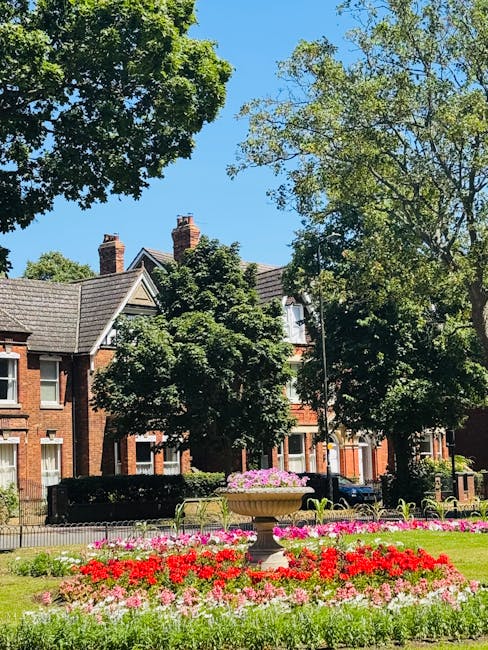
Why What to know about Newham Council rules on flower displays Matters
Flower displays seem harmless, and usually they are. A neat planter outside a cafe, a well-framed shop entrance, or a tasteful tribute arrangement can lift a street and make a space feel warmer. But the moment flowers use shared space, the council's concerns begin to matter. Newham, like other London boroughs, has to balance public enjoyment with access, safety, maintenance, and the rights of neighbours and passers-by.
That balance is where most issues start. A display that looks lovely to one person can feel like a hazard to someone pushing a buggy, using a wheelchair, carrying shopping, or walking a dog on a wet evening. Add wind, rain, fallen petals, dripping water, or a crowded pavement and the problem becomes much more practical than decorative. Quite ordinary, really. And that is exactly why the rules matter.
The other reason this topic matters is predictability. If you know the expectations in advance, you can plan a display that looks deliberate rather than improvised. That helps businesses avoid complaints, event organisers avoid last-minute changes, and families avoid upsetting removals when a floral tribute is placed somewhere sensitive. Nobody enjoys replanning on the day, with soil under their nails and two people saying different things about "where it should go".
For many readers, the real value here is peace of mind. You want to know: can I put flowers outside? Can they go on the pavement? Do I need permission? What about wreaths, tributes, baskets, or wedding decor? The answer depends on the setting, but the principle stays the same: beauty is welcome, obstruction is not.
For practical delivery and presentation choices, it can also help to understand the wider flower-buying side of the equation, especially if you're coordinating a last-minute arrangement for a business or event. Pages such as flower delivery in Canning Town and your local florist in Canning Town can be useful when you need fast, local support rather than a generic national service.
How What to know about Newham Council rules on flower displays Works
At a practical level, council expectations usually come down to three questions:
- Is the display on private land or public land?
- Does it leave enough safe space for people to pass?
- Could it create a nuisance, hazard, or maintenance issue?
If the flowers sit fully within your own property and do not create problems for neighbours or the public, the arrangement is generally much simpler. A window box, a front-garden display, or an internal reception display normally raises fewer issues than a setup that projects onto the pavement. That said, even private displays can cause trouble if they block sightlines, shed water, attract pests, or create a slipping hazard near an entrance.
Once a display moves onto or over the highway, the bar gets higher. The highway is not a blank canvas. It is shared space, and shared space comes with duties. In real-world terms, this means a floral arrangement outside a shop, restaurant, salon, event venue, or community building may need to be assessed for width, placement, visibility, and stability. It also means you should not assume "it's only flowers" is enough of an argument. The council will usually care more about the effect than the category.
Here's the sort of thing that tends to matter in practice:
- Whether pedestrians can pass comfortably without stepping into the road
- Whether wheelchair users and pushchairs have a clear route
- Whether the display could block a doorway, service access, or visibility at a junction
- Whether the arrangement is fixed securely enough to avoid falling in wind or traffic vibration
- Whether flowers, water, ribbons, or containers could create a slip or trip risk
For seasonal displays, timing matters too. A Christmas arrangement at midday on a quiet street is one thing. The same display at 5:30pm on a wet winter evening, with people rushing for buses, feels very different. Small detail, big difference.
There is also a distinction between a temporary arrangement and a more permanent one. A one-off tribute, wedding installation, or short promotional display is usually easier to assess than something intended to stay for weeks. The longer a display stays in place, the more important maintenance, cleaning, and ongoing safety become.
If you're planning a broader occasion setup, especially for weddings or sympathy arrangements, the style and positioning of the flowers may also be shaped by the service itself. It can be helpful to compare product types such as wedding flowers, funeral flowers, or sympathy flowers so the floral choice suits both the occasion and the setting.
Key Benefits and Practical Advantages
Following local expectations on flower displays is not just about avoiding trouble. Done well, it creates a cleaner, more polished result. You get a display that looks intentional, lasts longer, and is less likely to be moved, questioned, or damaged.
Better public presentation. A well-placed floral display gives the impression of care. People notice that. A neat arrangement at the entrance to a shop, office, or venue can subtly improve the feel of the whole frontage. You'll see it immediately on the street: the place looks looked-after.
Lower risk of complaints. A lot of conflict starts with a simple annoyance. Maybe a planter narrows the pavement. Maybe petals keep blowing into someone's doorway. Maybe a bucket of water is leaking. Once a neighbour complains, the whole thing becomes more stressful than it needed to be. Good planning avoids that.
Less chance of costly changes. Moving flowers after installation is annoying, and sometimes expensive if you've commissioned a custom arrangement. Planning with access in mind helps you avoid rework. That matters for businesses and event planners especially, where timing is tight and nobody wants to redo the front step an hour before guests arrive.
Safer for the public. This one is straightforward. People can only enjoy a display if they can get past it safely. Keeping pathways clear, using stable containers, and avoiding spill-prone setups reduces the chance of someone slipping or tripping. Simple, but important.
Better working relationship with local stakeholders. Whether you manage a commercial frontage, community site, or venue, a sensible approach makes life easier with neighbouring businesses, building managers, and council officers. Not glamorous, but very useful.
For example, if you're arranging repeat floral work for a shop, you may prefer a dependable local supplier and a clear order process. Browsing the all flowers range or looking at best sellers can help you pick designs that are attractive but easy to place and maintain. In our experience, the simplest display is often the one that survives the week best.
Who This Is For and When It Makes Sense
This guidance is not just for one type of reader. Flower display rules can matter to quite a few people in Newham, and the reasons vary.
Business owners and shop managers. If you want to place flowers outside a storefront, restaurant, salon, or reception area, you need to think about pavement width, customer flow, and the image you're creating. A display that looks charming in a photo can be awkward in the real world at rush hour.
Event planners and venue teams. Weddings, anniversaries, launches, and community events often involve decorative arrangements near entrances, walkways, and steps. This is where a little planning goes a long way. You want the flowers to frame the event, not trip up the ushers.
Families and individuals arranging tributes. Sympathetic floral displays are often placed at memorial sites, funeral venues, homes, or places of personal significance. These settings are emotional, and people often want something elegant and respectful. A calm approach helps. You can also explore arrangements such as tributes, wreaths, or a more understated basket or posy depending on the occasion.
Residents decorating frontages or gardens. If you're simply making your home brighter with tubs, baskets, or a small seasonal display, the main concern is usually whether anything spills into public space or affects neighbours. Still worth checking, because even a harmless-looking arrangement can become a nuisance if it is placed carelessly.
Florists and delivery coordinators. If you're the person making the arrangement or delivering it, you're often the last line of defence. You may be asked to place flowers at a venue entrance, in a churchyard, or near a public-facing reception point. That's when site awareness matters. A good florist doesn't just sell flowers; they think about how the flowers will live in the space.
When the timing is tight, options like same-day flower delivery or next-day flower delivery can help, but only if the end placement is already thought through. Fast delivery does not replace good judgment. Wish it did, but no.
Step-by-Step Guidance
Here's a practical way to plan a flower display without making it more complicated than it needs to be.
-
Decide where the display will sit.
Start with the exact location. Is it indoors, in a private garden, by a doorway, or on a public pavement edge? The answer changes everything. If there's any chance the flowers will affect a shared path, treat it as a public-space issue from the start.
-
Measure the usable space.
It sounds basic, but people skip it. Check how much room is left for pedestrians once the display is in place. Leave enough for wheelchairs, buggies, and luggage. If the area feels tight before the flowers go out, it will feel tighter after them.
-
Choose the right type of arrangement.
Heavy urns, tall stands, and broad installations create more visual impact but need more room and more stability. Smaller arrangements, baskets, or vase displays are usually easier to manage in limited spaces. The right choice depends on the setting, not just the style.
-
Think about weather and movement.
Wind, rain, heat, and foot traffic all affect how flowers behave. A display near a doorway may get knocked by passing sleeves or shopping bags. A watery arrangement on a slope can become a slipping issue fast. Do not assume the first setup will still look good at the end of the day.
-
Check whether anything needs permission.
If the display goes beyond your own property line or seems to use council-managed space, check before installation. This is the point where many disputes begin. It's much easier to ask early than to move everything later with a face like thunder.
-
Install safely and keep it maintained.
Once the display is in place, inspect it regularly. Straighten containers, remove fallen petals, mop up spills, and replace damaged stems. A tidy display signals care. A messy one turns from pretty to problematic quicker than you'd expect.
If the display is for a special occasion, the florist's role matters a lot. Choosing a flexible style from any occasion flowers or a more formal look from luxury flowers can help you match the mood without creating an awkward footprint.
Expert Tips for Better Results
Keep the footprint smaller than you think. People almost always underestimate how much room flowers take once they are placed at an entrance. A bouquet in hand is one thing; the same bouquet in a bucket, with a card, ribbon, and water tray, is another. Add a little buffer.
Use stable containers. Lightweight containers look fine until a gust of wind comes through the street. In our experience, the best display is the one that stays where you put it. That's not a glamorous metric, but it's a useful one.
Prioritise clear sightlines. This matters near crossings, driveways, doors, and shop windows. If flowers block vision, they are working against the space. Keep taller elements away from corners and entrances.
Choose blooms that suit the setting. Some arrangements feel formal and upright; others are soft and relaxed. For a restrained frontage, white or pale flowers often feel calmer. For a celebratory display, mixed colours can work well. If you want inspiration, you can compare styles like white, mixed colours, or pink arrangements depending on the tone you need.
Use the right display for the right day. A busy Saturday in Stratford-adjacent traffic is not the same as a quiet weekday morning. Nor is a winter evening the same as a bright spring lunch hour. The rhythm of the street changes, and your display should respect that.
Keep a cleaning routine. A floral display is never completely static. Petals drop, water splashes, and leaves shift. A quick tidy every day or two can keep the whole thing from looking tired. It also helps with hygiene and goodwill.
Have a backup plan. If the weather turns or the council asks for changes, what will you do? A smaller arrangement, an indoor version, or a relocated display can save the day. It's a bit boring to plan for the boring scenario, but that's usually what saves you.
Common Mistakes to Avoid
Assuming flowers are automatically allowed anywhere. This is the big one. Flowers may seem low-risk, but placement matters more than appearance. A pretty display can still be an obstruction.
Ignoring access needs. If the display narrows a path too much, it creates a problem even if no one complains immediately. People with mobility needs, delivery drivers, and parents with buggies will feel it first.
Using unstable vessels. Flimsy buckets, overfilled vases, and unweighted stands are asking for trouble. They also tend to look cheaper than intended, which is a shame if you've invested in quality blooms.
Letting water escape. Drips on stone or tiled surfaces can be slick, especially near entrances. A tiny puddle may not look serious, but someone carrying coffee in the rain will notice. And not in a good way.
Blocking the view of signs or shopfronts. This is a subtle one. A display can make a frontage feel welcoming while still hiding useful information, door handles, or visibility lines. Aim for enhancement, not concealment.
Failing to refresh the arrangement. Flowers fade. That's what they do. A display that starts elegant and ends droopy can look neglected quickly, which may invite complaints. If the arrangement is temporary, plan its lifespan honestly.
Not checking the venue's own rules. Some buildings, cemeteries, event spaces, and managed premises have internal policies about where flowers can be placed. Always worth asking. Saves everyone a headache.
Tools, Resources and Recommendations
You do not need a complicated toolkit to manage a floral display well, but a few practical items make life easier:
- A tape measure for checking width and placement
- A level base or mat for uneven surfaces
- Weighted containers or sturdy stands
- Water-resistant trays to catch drips
- Soft cleaning cloths for quick tidy-ups
- Twine, ribbon, or discreet ties for securing stems and decorations
From a buying perspective, it often helps to choose products that already fit the setting you have in mind. For example, if you need a straightforward arrangement that can suit different spaces, browse florist choice or look at sympathy basket options if you're planning a more sensitive tribute. For event work, wedding table arrangements can be easier to position than larger entrances pieces.
It also helps to work with suppliers who can guide you on care and placement. A good florist should be able to talk about stem strength, water management, packaging, and the practical side of staging flowers. If that sounds obvious, well, it should be. But not every supplier thinks beyond the bouquet. A little due diligence goes a long way.
For maintenance and presentation, you may also want to review flower care guidance and the site's guarantees so you understand how freshness, handling, and service expectations are managed. If you are arranging ongoing business displays, the corporate accounts page may be useful too.
Law, Compliance, Standards, or Best Practice
Flower display rules sit in a wider framework of public safety, access, and land use. That's the easiest way to think about it. The exact legal position depends on where the flowers are, who controls the land, and whether the display affects the public highway or a managed site.
In practical terms, the main compliance questions are usually:
- Does the display stay within your own boundary?
- Does it affect footway width or pedestrian flow?
- Could it be a trip, slip, or obstruction risk?
- Does it interfere with emergency access, visibility, or building access?
- Are there any venue-specific or site-specific restrictions?
Best practice is to treat flower displays like any other small frontage or event installation: plan, measure, secure, maintain. If the display is temporary, make sure it is obviously temporary and easy to remove. If it is recurring, build a routine around checking it after bad weather, busy periods, and delivery drops.
For businesses, a sensible compliance mindset also means training staff. The person watering the display should know not to overfill containers. The person opening up should notice if anything has shifted overnight. The person closing should tidy petals and check the walking route. Nothing grand. Just practical habits.
Where tribute or memorial arrangements are concerned, sensitivity matters as much as safety. Flowers at cemeteries, crematoria, memorial spaces, and places of remembrance often need to balance dignity with local rules. That can mean choosing smaller sprays, wreaths, or floral tributes that are appropriate for the location and easy to place respectfully. Products such as sprays, letter tributes, or sympathy posies may be more suitable than larger installations in some settings.
One helpful mindset is to ask: would this display still make sense if I saw it as a passer-by with no context? If the answer is yes, you're usually on safer ground. If it feels a bit awkward, crowded, or too much for the space, it probably is.
Options, Methods, or Comparison Table
Different flower display approaches suit different needs. Here's a simple comparison to help you think through the main options.
| Display type | Best for | Pros | Watch-outs |
|---|---|---|---|
| Small vase or indoor arrangement | Reception desks, tables, window sills, private interiors | Easy to manage, low risk, flexible | Can still spill or block views if overfilled |
| Frontage basket or planter | Shop entrances, cafes, salons, home front paths | Looks welcoming, often easy to maintain | Must not narrow access or become unstable |
| Large entrance arrangement | Events, weddings, launches, formal venues | Strong visual impact, great for photos | Needs more space, more setup, more supervision |
| Tribute wreath or spray | Memorials, funerals, remembrance settings | Respectful, traditional, easy to place | May need guidance on venue rules and placement |
| Repeated business display | Retail fronts, offices, hospitality venues | Consistent brand image, strong curb appeal | Needs regular upkeep and clear responsibility |
If you're deciding between options, think first about the setting and only second about the style. That usually leads to better results. A beautiful arrangement in the wrong place is still the wrong arrangement. Bit harsh, but true.
Case Study or Real-World Example
Here's a simple, realistic scenario. A small business in Canning Town wants to place fresh flowers by the front door to make the shop feel warmer in spring. The owner likes the idea of two large planters, one on each side of the entrance. It looks great in the first sketch. On the actual pavement, though, the entrance is busy, and a delivery scooter often pulls up nearby.
Instead of using oversized planters, the owner chooses narrower containers, sets them back slightly from the path edge, and uses sturdy, low-maintenance flowers with a smaller spread. Water trays are placed underneath to stop drips, and the display is checked each morning before opening. The result is still attractive, but it no longer feels cramped. Customers notice the flowers, not the obstruction. That's the sweet spot.
Now compare that with a different example. A family arranging flowers for a memorial event wants a prominent tribute near the entrance. They initially plan a large spray with lots of loose decorative elements. After checking the setting, they realise the venue has a narrow approach and other visitors will be arriving at the same time. They scale the arrangement down, choose a more compact tribute, and place it where it can be seen without blocking movement. It still feels respectful, and it fits the location better.
Both examples show the same thing: the best flower display is not always the biggest or the fanciest. It's the one that works in context. That's the bit that saves stress later.
Practical Checklist
Use this checklist before placing any flower display in Newham:
- Have I confirmed whether the flowers are on private land or public space?
- Will people still have a clear, safe route past the display?
- Could a wheelchair, buggy, or delivery trolley pass comfortably?
- Is the arrangement stable enough for wind, knocks, and busy foot traffic?
- Will water, petals, or foliage create a slipping or cleaning issue?
- Does the display block doors, signs, sightlines, or access points?
- Have I checked any venue-specific or site-specific rules?
- Is the size of the display appropriate for the time of day and location?
- Can I maintain it properly if it stays in place for more than a few hours?
- Do I know who is responsible for removal, watering, and daily checks?
If you can answer yes to the first seven or eight items, you're usually in a good place. If not, pause and rethink. A few minutes now can save a whole afternoon later, and honestly, that's not a bad trade.
Get a free quote today and see how much you can save.
Conclusion
Understanding what to know about Newham Council rules on flower displays is really about using common sense with a local lens. Keep the display attractive, keep access clear, and keep an eye on the practical details that make a setup work in the real world. That's the whole game, more or less.
Whether you're dressing a shopfront, planning a wedding entrance, arranging a tribute, or just trying to make a street-side space feel a bit brighter, the safest approach is the one that respects both the flowers and the people moving around them. When you get that balance right, the result feels effortless. And when it's done well, people notice in that quiet way Londoners do - a glance, a nod, a slight smile, then on with the day.
Simple flowers, well placed, can say a lot. Keep them thoughtful, and they'll do the job beautifully.
Frequently Asked Questions
Do I need permission to put flowers outside my shop in Newham?
It depends on exactly where the flowers sit. If they are fully on private property, permission may not be needed, but anything that uses the pavement, roadside area, or other shared space may need extra care or approval. The safest move is to check before installation rather than after.
Can I place flower pots on the pavement?
Not automatically. Pavements are shared public space, so even a decorative pot can be treated as an obstruction if it narrows the walking route or creates a hazard. A small arrangement might be fine in one place and unacceptable a few steps away. Context really matters here.
What kind of flower display is usually safest near a public entrance?
Smaller, stable, low-spill arrangements are usually easiest to manage. Baskets, compact planters, or vase displays with secure bases tend to create fewer problems than tall or wide installations. If people have to squeeze past it, it's probably too much.
Are funeral flowers or memorial tributes treated differently?
They can be, in practice, because the setting is often more sensitive and the display is usually temporary. That said, safety and site rules still apply. A tribute should remain respectful, stable, and appropriately sized for the location.
What happens if my flower display blocks the pavement?
If a display blocks the pavement, it may be moved, challenged, or removed depending on the circumstances. It can also lead to complaints from the public or neighbours. The issue is usually not the flowers themselves, but the obstruction they create.
Do wedding flower displays need different planning from shop displays?
Yes, usually. Wedding displays are often more decorative and time-sensitive, which means you need to think about photographs, guest movement, entrances, and weather all at once. A wedding can look beautiful and still be awkward if the arrangement is in the wrong place.
How do I stop flower arrangements from becoming a slip hazard?
Use stable containers, avoid overwatering, and make sure any drips are contained. If the surface is smooth, wet, or sloped, be extra careful. A neat tray or lining underneath can save a lot of hassle.
Can the council remove my display without warning?
In some situations, yes, especially if the display is causing an obstruction or safety issue. That is why it is worth checking placement and keeping the display within sensible limits from the start. Prevention is much easier than recovery.
What flowers work best for temporary outdoor displays?
Hardier blooms and sturdier stems usually perform better outdoors, especially if the display is going to face wind or changes in temperature. The exact choice depends on the season and the location, but durability matters as much as looks. Sometimes the prettier flower is not the smarter one. Bit unfair, but there it is.
How often should I check a flower display once it is in place?
For outdoor or semi-outdoor displays, a quick daily check is sensible, with extra attention after bad weather or busy periods. Indoors, less is needed, but you should still look for wilting, spills, or movement. The more public the setting, the more often you should check it.
Where can I find suitable flowers for different display types?
It helps to choose by occasion and setting. For instance, you can browse any occasion options for flexible arrangements, or look at more specific categories like roses, tulips, or lilies depending on the mood you want. Matching the flower to the space is half the job.
Is it better to use a florist for a display near Newham?
Usually, yes, especially if the display needs to fit a particular entrance, event, or access route. A local florist can help you choose the right size, style, and delivery timing, which reduces the chances of last-minute adjustments. It's one of those decisions that tends to pay for itself in saved stress.
What should I do if I'm unsure whether my display is allowed?
Start by checking the property boundary, the available space, and any venue or site rules. If the display touches public space or feels borderline, hold off until you have clarity. A short pause is usually better than a hasty setup that has to be moved an hour later.


